
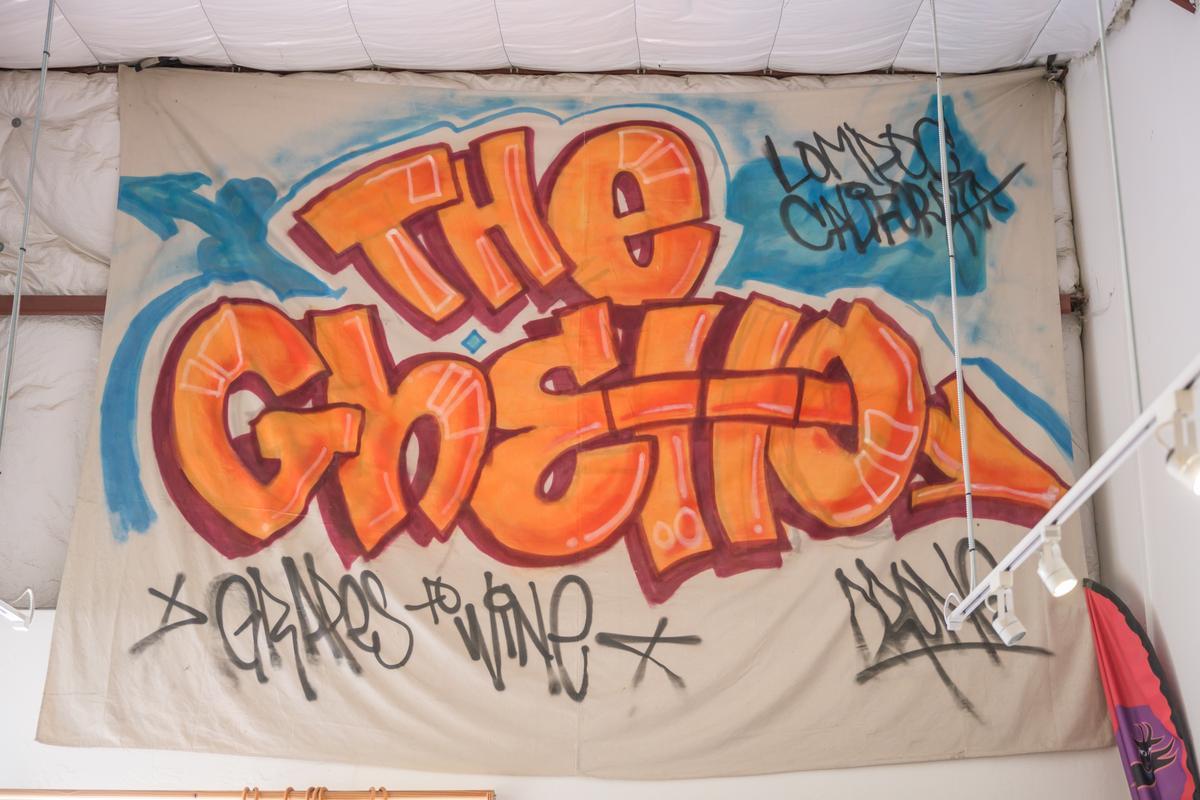
You’ll experience the work of wine at the Lompoc Wine Ghetto – here there are no sweeping vineyard terraces, grand châteaux or fountains greeting visitors.Instead, wine lovers arrive at a collection of low-slung industrial buildings near Highway 1 where roll-up doors, concrete floors and weathered barrels hint at the work happening inside.
That work produces some seriously compelling wine.
Located on California’s Central Coast, the Lompoc Wine Ghetto is a cluster of boutique wineries, tasting rooms and production spaces near the western edge of the Sta. Rita Hills. It offers an unusually direct form of wine-country agritourism: visitors can taste wines near the cellars where they are made, meet the people behind the labels and explore several small producers without repeatedly climbing back into the car.
-
Lompoc Wine Ghetto
200 North 9th Street, Lompoc, California 93436, United States
A Different Kind of California Wine Country
The Wine Ghetto does not try to disguise its industrial setting. That is precisely the point.
Many small wineries need practical spaces where grapes can be sorted, fermented, aged and bottled. In Lompoc, those working facilities sit beside intimate tasting rooms, creating an experience that feels closer to the mechanics of winemaking than a conventional resort-style visit.
A tasting might take place within sight of stacked barrels, fermentation tanks or harvest equipment. During the busy winemaking season, visitors may encounter the unmistakable scent of fermenting grapes drifting through the complex.
This unpolished atmosphere has helped make the Wine Ghetto a destination for curious drinkers who care more about vineyard sources, cellar techniques and conversations with winemakers than elaborate architecture.
From the Sta. Rita Hills to the Cellar
The agricultural story begins just outside Lompoc.
The nearby Sta. Rita Hills American Viticultural Area stretches west from the Buellton area toward Lompoc. Its vineyards are shaped by an unusual east-to-west valley system that allows cool Pacific air and fog to move inland. The resulting conditions are especially favorable for slow-ripening, cool-climate grapes.
Pinot Noir and Chardonnay are the region’s best-known varieties, although growers also cultivate Syrah and other grapes suited to the coastal environment. The appellation contains dozens of vineyards and thousands of planted acres, making winegrapes an important part of the surrounding agricultural landscape.
The cool growing season can help grapes retain acidity while flavors develop gradually. In the glass, that may translate into Pinot Noir with red-fruit, floral, earthy or savory characteristics and Chardonnay ranging from crisp and mineral-driven to textured and barrel-aged.
Because many Lompoc producers work with fruit from multiple vineyard sites, a visit can become a lesson in terroir. Two wines made from the same grape may taste markedly different depending on the vineyard’s soil, elevation, exposure, farming practices and proximity to the ocean.
Small Wine Producers, Close Conversations
One of the Wine Ghetto’s greatest pleasures is its human scale.
Rather than moving through a crowded tasting bar, guests may find themselves speaking with a winery owner, cellar worker or winemaker. These conversations reveal the decisions behind each bottle: when the grapes were picked, how the vineyard was farmed, whether whole clusters were used, how long the wine aged and why a particular barrel was selected.
The Lompoc Wine Trail includes producers such as Ampelos Cellars, Camins 2 Dreams, Domaine de la Côte, Fiddlehead Cellars, Flying Goat Cellars, Kessler-Haak Wines, Longoria Wines, Montemar, Pali Wine Co. and Piedrasassi, though tasting-room participation and public hours can change.
That variety allows visitors to compare approaches within a compact area. One stop might focus on vineyard-designated Pinot Noir, while the next pours sparkling wine, Rhône varieties or a small-production blend available only through the winery.
An Agritourism Experience Without the Vineyard View
Agritourism is often associated with walking through fields, touring barns or picking produce. The Wine Ghetto approaches agricultural tourism from another angle: it brings visitors into the processing and craft side of farming.
The vineyards may be several miles away, but their influence is everywhere. Each bottle represents a year of pruning, canopy management, irrigation decisions, soil care, harvest timing and weather. Inside the tasting rooms, those agricultural choices become something visitors can smell and taste.
For a fuller understanding of the region, pair an afternoon in the Wine Ghetto with a drive through the Sta. Rita Hills. The route reveals the rolling vineyards and open ranchland behind the wines, connecting the industrial cellar experience to the landscape where the grapes were grown.
How to Plan a Visit
Most Wine Ghetto tasting rooms concentrate their public hours around Friday through Sunday, although some open on additional days or operate by appointment. Current hours, reservation policies and group requirements should be confirmed directly with each winery before visiting.
Plan to visit two or three tasting rooms rather than attempting the entire district in one afternoon. The close spacing makes walking between stops easy, but the wines deserve time and attention.
Bring water, arrange a designated driver and eat before or during the outing. Food service within the complex may be limited, so checking nearby dining options in advance is sensible. Visitors should also dress for the setting: comfortable shoes and an extra layer are useful in Lompoc’s cool coastal climate.
Those hoping for detailed discussions should visit earlier in the day, avoid arriving with an unannounced large group and make reservations where available. Small tasting rooms often have limited staffing and seating.
When to Go
Every season offers a slightly different perspective.
Spring brings green hills and renewed growth in the vineyards. Summer usually offers long days tempered by coastal breezes. During late summer and fall, harvest activity may bring grapes, bins and cellar equipment into view, although it is also the busiest time of year for winery teams.
Winter is often quieter, creating opportunities for slower tastings and more conversation. Rain can turn the surrounding hills vivid green, offering a striking contrast to California’s typically golden summer landscape.
More Than a Clever Name
The name “Wine Ghetto” may sound irreverent, but it reflects the district’s resourceful, independent character. This is a place where small wineries share an industrial neighborhood, serious wines emerge from practical spaces and visitors gain a closer look at the relationship between farming and fermentation.
The Lompoc Wine Ghetto is not wine country dressed for a postcard. It is wine country at work—and that may be the most memorable view of all.
Lompoc Wine Ghetto Visitor Details
Location:
Industrial Way and North 9th Street
Lompoc, CA 93436
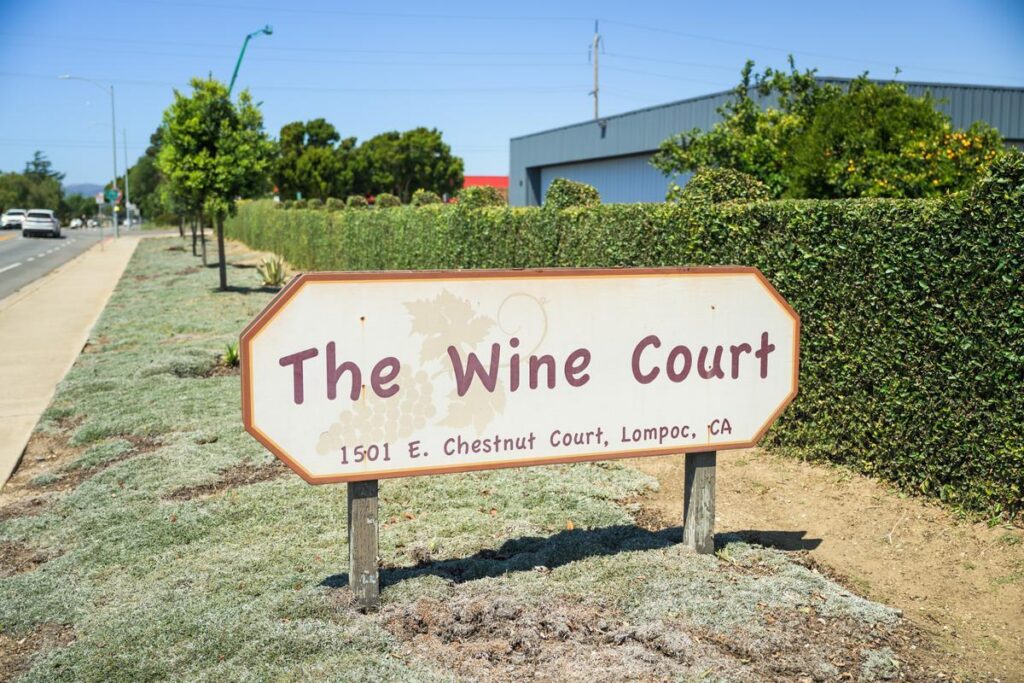
The Lompoc Wine Ghetto occupies several industrial buildings near Highway 1, primarily around North 7th, 8th and 9th streets and Industrial Way. For navigation, search for “Lompoc Wine Ghetto” or enter the address of the first winery on your itinerary.
Visitor information:
Explore Lompoc’s Wine Ghetto Guide
General tourism contact:
Contact Explore Lompoc
Wine-trail information:
Lompoc Wine Trail
Hours:
There are no universal Wine Ghetto hours. Each tasting room establishes its own schedule, and many are open primarily from Friday through Sunday. Some wineries require reservations or offer tastings by appointment only.
Reservations and winery contacts:
Contact each winery directly for its current address, telephone number, tasting fees, reservation policy and group requirements. Confirm details shortly before visiting, since tasting-room locations and public hours can change.
Parking:
Free parking is generally available within the industrial complex and along nearby streets. Park once and walk between tasting rooms when possible.
Planning note:
Choose two or three wineries for an unhurried afternoon, bring water and arrange a designated driver. Food options inside the Wine Ghetto can be limited, so plan a meal or check winery policies before bringing outside food.